
Thyme Creeping Groundcover: A Complete Guide
Thyme Creeping Groundcover: A Complete Guide
Explore how thyme creeping groundcover can transform your landscape with this complete guide covering planting, care, benefits, and practical tips for using this versatile perennial as a lawn alternative.
Table of Contents
- What Is Creeping Thyme?
- Planting and Care Requirements
- Medicinal and Ecological Benefits
- Creeping Thyme as a Lawn Alternative
- Frequently Asked Questions
- Comparison with Other Groundcovers
- Practical Tips for Success
- Key Takeaways
- Further Reading
Quick Stats: Thyme Creeping
What Is Creeping Thyme?
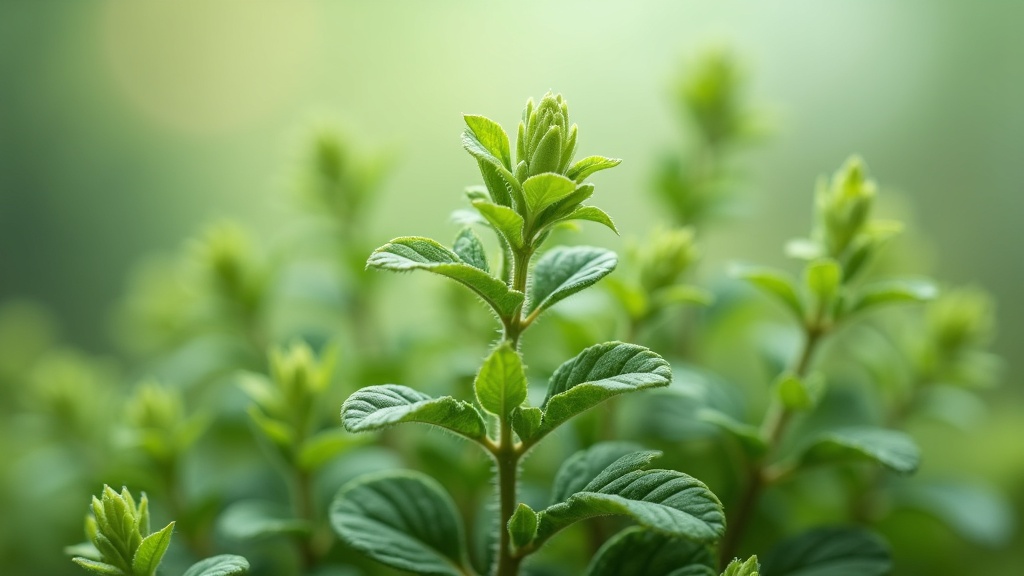
Thyme creeping, also known scientifically as Thymus serpyllum, is an aromatic, mat-forming woody perennial that rarely exceeds 2 to 3 inches in height but can spread several feet, making it an excellent groundcover between pavers and in rock gardens (University of Arkansas, 2024)[1]. This low-growing herb is native to Europe and parts of Asia but has become a popular landscaping choice across North America for its resilience and ornamental value.
The plant produces tiny, oval leaves that release a pleasant herbal fragrance when stepped on or brushed against. In late spring through early summer, it erupts in a profusion of small flowers, typically in shades of pink, purple, or white, which persist for several weeks (The Maker Makes, 2024)[3]. These blooms are highly attractive to bees, butterflies, and other pollinators, making thyme creeping a valuable addition to any garden focused on supporting local ecosystems.
Unlike many groundcovers, this plant is exceptionally adaptable, thriving from roughly USDA zone 3 to 10 and tolerating poor, dry soils without becoming invasive in North American landscapes (Northwest Meadowscapes, 2024)[2]. This wide climatic tolerance means gardeners from Canada to the southern United States can successfully cultivate it. Its non-invasive nature has been confirmed by university extension services; in the mid-Atlantic region, creeping thyme is not considered invasive and tends not to persist long enough under local conditions to cause ecological concerns (University of Maryland Extension, 2024)[5].
For those interested in exploring more about low-maintenance landscaping, the groundcover planting guide on aitrainingcom offers additional insights into selecting and establishing plants similar to thyme creeping.
Planting and Care Requirements
Successfully growing thyme creeping begins with proper site selection and planting technique. This low-maintenance perennial performs best in full sun with well-drained soil and is widely cited as drought-tolerant once established, making it suitable as a low-water lawn alternative (Gardenia.net, 2024)[6]. The plant’s preference for lean, dry conditions means it will struggle in heavy clay or constantly wet soils, where root rot can become a problem.
Planting Steps
When planting as a groundcover, space individual plants 6 to 12 inches apart to allow them to fill in the area over time (The Maker Makes, 2024)[3]. For a faster, more uniform cover, use the closer spacing. For indoor seed starting, creeping thyme is typically started 8 to 10 weeks before the last expected spring frost to produce usable plants for the current growing season (The Maker Makes, 2024)[3]. Seeds require light to germinate, so press them gently into the soil surface without covering them deeply.
Once established, thyme creeping requires very little intervention. Water deeply but infrequently to encourage deep root growth. Overwatering is the most common mistake new growers make. The plant is naturally drought-tolerant and will thrive with minimal supplemental watering once its root system is mature, usually after the first growing season. Fertilization is rarely needed; in fact, rich soil can encourage leggy growth at the expense of the compact, mat-forming habit that makes this plant so desirable.
For those interested in the botanical classification and potential medicinal uses, a 2024 pharmacognosy review of wild thyme provides detailed information on its chemical composition and health-related properties.
Medicinal and Ecological Benefits
Beyond its ornamental appeal, thyme creeping has a long history of use in traditional medicine and is now supported by modern scientific research. Wild thyme has demonstrated promising antimicrobial, anti-inflammatory, hepatoprotective, and cardio-metabolic effects, largely attributed to its essential oils, phenolic acids, and flavonoids (University of Belgrade, 2024)[4]. The essential oil content of wild thyme is typically below 1 percent of the dry weight, with the remainder rich in phenolic acids and flavonoids (NCBI, 2024)[4].
In preclinical models, wild thyme preparations have demonstrated significant reductions in markers of inflammation in experimental inflammatory bowel disease and irritable bowel syndrome (NCBI, 2024)[4]. While these findings are promising, they are based on laboratory and animal studies, and more human clinical trials are needed to confirm the full therapeutic potential of this plant. Nonetheless, the traditional use of thyme creeping as a digestive aid and respiratory remedy is gaining scientific credibility.
Ecologically, the plant plays a vital role in supporting pollinators. The flowers of thyme creeping are rich in nectar and appear at a time when many bees are actively foraging. By planting this groundcover, gardeners can create a living carpet that not only looks beautiful but also provides a crucial food source for beneficial insects. Unlike some introduced species that can escape cultivation and become invasive, thyme creeping remains well-behaved in North American gardens, as confirmed by extension horticulture specialists.
Creeping Thyme as a Lawn Alternative
Creeping thyme varieties offer gardeners a colorful, low-maintenance lawn alternative that releases fragrance when walked on while providing flowers that attract bees and other pollinators (Gardenia.net, 2024)[6]. This concept has gained significant traction in recent years as homeowners seek ways to reduce water consumption, eliminate chemical inputs, and create more biodiverse landscapes. A thyme creeping lawn requires no mowing, no fertilizer, and very little water once established.
To create a thyme lawn, prepare the area by removing existing grass and weeds, then amend the soil with sand or grit to improve drainage if necessary. Plant plugs or small pots of thyme creeping on 6- to 12-inch centers and water them in well. During the first growing season, diligent weeding is essential because the young plants are not yet dense enough to outcompete aggressive weeds. By the second year, the mat should begin to knit together, forming a dense, weed-suppressing carpet.
It is important to note that a thyme lawn is not a substitute for a high-traffic sports turf. While it can tolerate occasional foot traffic, it is best suited for pathways, between stepping stones, and in areas where people walk infrequently. The plant’s resilience and adaptability make it an excellent choice for challenging spots like rocky slopes, dry banks, and spaces between pavers where grass struggles to grow.
For more detailed ideas on incorporating this plant into your garden design, the creative landscaping ideas page on aitrainingcom features several projects that work well with thyme creeping.
Important Questions About Thyme Creeping
Is thyme creeping invasive in North America?
No, thyme creeping is not considered invasive in North America. According to the University of Maryland Extension, creeping thyme is not considered invasive in the mid-Atlantic region and generally does not persist long enough under local conditions to pose ecological risk (2024)[5]. While it can spread several feet under ideal conditions, it does not aggressively overtake natural areas like some introduced species do. Gardeners can plant it with confidence, especially when choosing the wild species Thymus serpyllum, which has been widely studied for its non-invasive behavior.
How tall does thyme creeping grow?
Thyme creeping typically grows 2–3 inches tall while individual plants may spread several feet across, forming a low mat (University of Arkansas Division of Agriculture, 2024)[1]. This low profile makes it an ideal groundcover that does not obstruct views or require mowing. The flowers, which appear in late spring, may extend slightly above the foliage mat, but the overall height remains very manageable. This characteristic is one of the main reasons it is so popular as a lawn alternative and for use between pavers.
What are the ideal growing conditions for thyme creeping?
Thyme creeping performs best in full sun with well-drained soil and is widely cited as drought-tolerant once established, making it suitable as a low-water lawn alternative (Gardenia.net, 2024)[6]. It is hardy in approximately USDA zones 3 through 10, allowing it to be grown in a wide range of North American climates (Northwest Meadowscapes, 2024)[2]. The plant tolerates poor, sandy, or rocky soils and does not require rich organic matter. Good drainage is the single most important factor; wet feet will quickly kill the plant.
Can you walk on a thyme creeping lawn?
Yes, thyme creeping can tolerate light foot traffic. Creeping thyme varieties offer gardeners a colorful, low-maintenance lawn alternative that releases fragrance when walked on while providing flowers that attract bees and other pollinators (Gardenia.net, 2024)[6]. However, it is not suitable for high-traffic areas like children’s play zones or sports fields. The plant is best used in pathways, around patios, between stepping stones, and in areas where people walk occasionally. Over time, heavy traffic can damage the stems and create bare patches that require replanting.
Comparison with Other Groundcovers
When selecting a groundcover for your landscape, it is helpful to compare thyme creeping with other popular options. The following table outlines key differences between three common choices for low-growing, sun-loving groundcovers.
| Feature | Thyme Creeping | Irish Moss | Dwarf Mondo Grass |
|---|---|---|---|
| Height | 2–3 inches | 1–2 inches | 2–4 inches |
| Sun Requirement | Full sun | Partial shade | Partial to full shade |
| Drought Tolerance | High | Low | Moderate |
| Foot Traffic | Light | Light | Moderate |
| Flowers | Pink/purple/white | White | Rarely flowers |
| Fragrance | Yes, aromatic | No | No |
| USDA Zones | 3–10 | 4–8 | 6–10 |
As the table shows, thyme creeping is the most versatile option for sunny, dry locations and offers the added benefits of fragrance and pollinator support. Irish moss requires more moisture and shade, while dwarf mondo grass is better suited for shaded areas with moderate foot traffic.
Practical Tips for Success
To get the most out of your thyme creeping planting, follow these actionable tips based on horticultural best practices and real-world experience.
Start with healthy plants. Whether you are growing from seed or purchasing nursery plugs, choose stock that is free of disease and pests. Seed starting indoors 8–10 weeks before the last frost gives you a head start on the growing season. When transplanting, space plants 6–12 inches apart for optimal coverage.
Prepare the soil properly. Thyme creeping thrives in well-drained, slightly alkaline soil. If your garden has heavy clay, amend the planting area with coarse sand or gravel to improve drainage. A simple soil test can help you determine if lime is needed to raise the pH. Avoid adding compost or manure, as rich soil can lead to weak, floppy growth.
Water wisely during establishment. For the first 4–6 weeks after planting, water regularly to keep the soil evenly moist but not waterlogged. Once the plants are established, reduce watering to once every week or two, depending on rainfall. Overwatering is the most common cause of failure with this plant.
Control weeds early. Young thyme creeping plants are slow to establish and can be easily overwhelmed by fast-growing weeds. Hand-pull weeds regularly during the first growing season. By the second year, the dense mat of foliage will naturally suppress most weed growth, reducing your maintenance workload significantly.
Key Takeaways
Thyme creeping is a remarkably versatile, low-maintenance groundcover that offers a unique combination of ornamental beauty, ecological value, and practical utility. Its ability to thrive in poor, dry soils and its non-invasive nature make it a responsible choice for environmentally conscious gardeners. Whether you are looking to replace a thirsty lawn, fill gaps between pavers, or create a fragrant pathway, this plant delivers consistent results with minimal effort.
By following the planting and care guidelines outlined in this guide, you can establish a thriving carpet of thyme creeping that will provide years of enjoyment. For more information on sustainable landscaping and groundcover options, explore the resources available on aitrainingcom.
Further Reading
- Thyme, Creeping, Mother of Thyme. University of Arkansas Division of Agriculture.
https://www.uaex.uada.edu/yard-garden/resource-library/plant-week/thyme-creeping-7-12-13.aspx - Wild Creeping Thyme Seeds (Thymus serpyllum). Northwest Meadowscapes.
https://northwestmeadowscapes.com/products/wild-creeping-thyme-seeds-thymus-serpyllum - How to Grow Creeping Thyme from Seed. The Maker Makes.
https://www.themakermakes.com/blog/how-to-grow-creeping-thyme-from-seed - Wild thyme (Thymus serpyllum L.): a review of the current evidence for its medicinal, nutritional, and preventive health properties. National Center for Biotechnology Information (NCBI).
https://pmc.ncbi.nlm.nih.gov/articles/PMC11153689/ - Creeping thyme, Thymus serpyllum invasive? #881987. University of Maryland Extension.
https://ask.extension.org/kb/faq.php?id=881987 - Colorful Lawn Alternatives: Creeping Thyme Varieties That Wow. Gardenia.net.
https://www.gardenia.net/guide/colorful-creeping-thyme-varieties-as-lawn-alternatives
For more about Thyme creeping, see Thyme Creeping.