
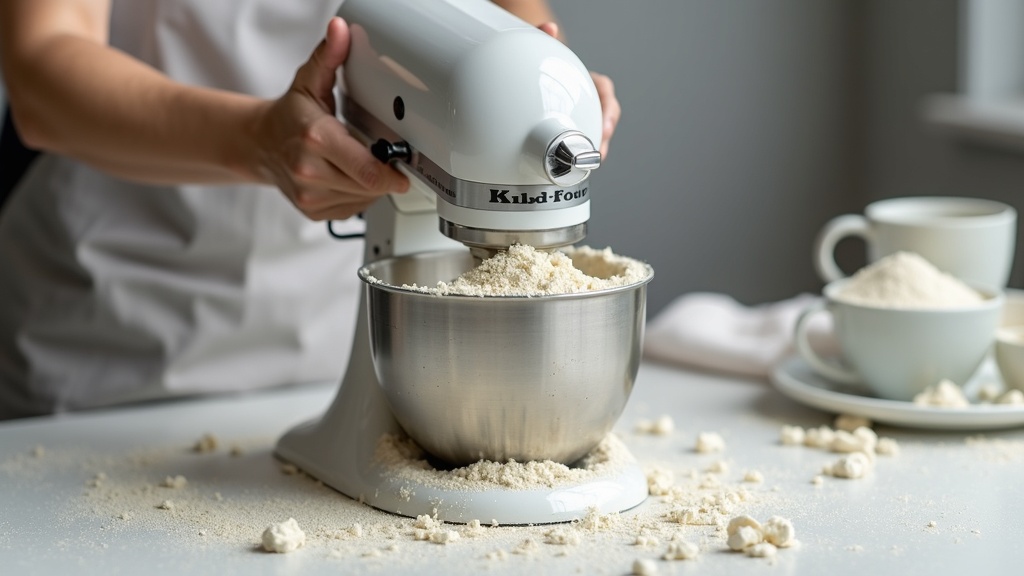
Mixer for Grout: AI Optimization in Mining
See how AI training optimizes a mixer for grout in mining. Explore sensor data, torque monitoring, and predictive maintenance for industrial blending tools.
Table of Contents
- Article Snapshot
- Quick Stats: Mixer for Grout
- Introduction
- Optimizing Torque and RPM with Machine Learning
- Sensor Integration for Viscosity Control
- Predictive Maintenance for Mixer for Grout Operations
- Material Science and Paddle Design Analytics
- What People Are Asking
- Operational Approaches Compared
- Practical Tips
- Wrapping Up
- Learn More
Article Snapshot
A mixer for grout is an industrial machine used to blend cementitious materials for mining and tunneling applications. Modern facilities integrate artificial intelligence to monitor torque, optimize RPMs, and ensure consistent viscosity control during continuous underground operations.
Quick Stats: Mixer for Grout
- Tile Pro Source provides one paddle type recommendation, noting that a double box mixing paddle is recommended for cementitious materials including grout (Tile Pro Source, 2025)[1].
- Portamix offers a hand mixer rated at 1,100 watts and 110 volts for mortar and grout work (Tools4Flooring, 2025)[2].
- Collomix markets specialized mixing paddles covering three material categories, indicating material-specific paddle design is essential for optimal results (Tile Tools, 2025)[3].
Introduction
Industrial automation has transformed how subterranean construction projects handle material preparation. When deploying a mixer for grout in deep mining or tunneling environments, precision is paramount. Traditional methods relied heavily on manual oversight, but modern facilities now leverage machine learning to monitor equipment telemetry and fluid dynamics in real time. By applying advanced data analytics to the physical blending process, operators can prevent material separation and ensure optimal hydration rates. This integration of smart sensors and neural networks allows for continuous adjustment of operational parameters. In this article, we will explore how artificial intelligence enhances grout mixing equipment, the specific sensor data used for viscosity control, and the predictive maintenance models that keep slurry mixing systems running efficiently underground, reducing downtime and improving overall structural integrity.
Optimizing Torque and RPM with Machine Learning
Artificial intelligence algorithms continuously analyze sensor data to adjust the rotational speed and torque of heavy-duty drills used in subterranean construction. When blending viscous construction materials, the physical resistance changes dynamically as hydration progresses. AI models trained on historical operational data can predict these viscosity spikes, allowing for proactive RPM optimization. This prevents motor stalling and ensures consistent material flow.
For leadership teams overseeing these technological transitions, developing AI literacy for managers is essential to understand the underlying algorithms driving these decisions. By mapping the relationship between motor load and material consistency, neural networks maintain optimal operational efficiency. This level of industrial automation reduces the reliance on manual oversight, ensuring that grout agitation machinery performs reliably even in the most demanding mining tunneling environments. The continuous feedback loop between smart sensors and the central processing unit allows for micro-adjustments that human operators simply cannot achieve, ultimately improving the structural integrity of the final cured product.
Sensor Integration for Viscosity Control
Smart sensors embedded within the mixing chamber provide real-time feedback on material consistency, enabling automated adjustments to the blending process. Viscosity control is paramount when deploying a colloidal grout mixer underground, as improper hydration rates can compromise the structural stability of tunnel linings. According to the Federal Highway Administration tunnel engineering guidelines, proper material preparation is critical for structural safety in subterranean infrastructure.
Modern setups utilize ultrasonic and rheological sensors to monitor fluid dynamics without interrupting the workflow. Tile Pro Source identifies grout as a viscous construction material suitable for mixing paddle attachments, highlighting the need for specialized monitoring (Tile Pro Source, 2025)[1]. Machine learning models process this continuous stream of data analytics to detect anomalies like material separation or dry pockets. By automatically adjusting the water-to-powder ratio and blending speed, the system ensures uniform particle distribution. This integration of construction technology and material science not only enhances the quality of the final product but also significantly reduces material waste, making subterranean operations more sustainable and cost-effective over the long term.
Predictive Maintenance for Mixer for Grout Operations
Implementing predictive maintenance models significantly reduces unexpected downtime by forecasting mechanical failures before they occur in subterranean environments. Heavy-duty blending equipment operates under extreme stress, making equipment telemetry crucial for monitoring motor health. For example, Portamix offers a hand mixer rated at 1,100 watts and 110 volts for mortar and grout work (Tools4Flooring, 2025)[2]. They also offer a two-speed hand mixer rated at 1,200 watts and 110 volts for similar applications (Tools4Flooring, 2025)[2].
AI systems track wattage and voltage fluctuations in these high-power units to detect early signs of bearing friction or rotor imbalance. Understanding these predictive models requires a solid foundation, which is why many organizations invest in Machine Learning Basics for Managers to bridge the knowledge gap. By establishing a baseline of normal electrical performance, the algorithms can schedule maintenance during planned downtimes, preventing catastrophic burnouts. This proactive approach to managing slurry mixing systems ensures that critical tunneling operations remain on schedule, safeguarding both project timelines and the safety of the underground workforce.
Material Science and Paddle Design Analytics
The physical geometry of paddle attachments plays a crucial role in fluid dynamics, and artificial intelligence helps engineers simulate and select the optimal design for specific subterranean applications. Material science dictates that different cementitious blending tools require distinct flow patterns to achieve uniform hydration. Tile Pro Source provides one paddle type recommendation, noting that a double box mixing paddle is recommended for cementitious materials including grout (Tile Pro Source, 2025)[1].
Furthermore, a 30-inch paddle is marketed for thinset and grout mixing (Home Depot, 2025)[4]. Collomix markets specialized mixing paddles covering three material categories, indicating material-specific paddle design is essential for optimal results (Tile Tools, 2025)[3]. Engineers use computational simulations, accelerated by neural networks, to test these various geometries against the specific viscosity of the target mixture. This ensures the selected attachment provides the perfect balance of shear and flow, maximizing the operational efficiency of the grout mixing equipment. By leveraging AI to refine these physical components, operators can achieve superior material consistency, directly translating to stronger, more resilient underground structures.
What People Are Asking
How does artificial intelligence improve the efficiency of subterranean blending equipment?
Artificial intelligence improves efficiency by continuously analyzing sensor data to optimize rotational speeds and torque. In deep tunneling projects, material consistency must remain uniform. Machine learning algorithms process real-time telemetry, automatically adjusting motor outputs to compensate for viscosity changes. This prevents overworking the motor and reduces energy consumption. Furthermore, AI systems predict the exact blending time required to achieve optimal hydration rates, eliminating guesswork and reducing overall cycle times while maintaining peak operational efficiency.
What types of sensors are used to monitor fluid dynamics during blending?
Modern industrial setups utilize ultrasonic, rheological, and load sensors to monitor fluid dynamics. Ultrasonic sensors measure density and homogeneity without physical contact, while rheological sensors track viscosity in real time. Load cells embedded in the motor housing measure torque and electrical current draw, providing indirect data about physical resistance. Neural networks fuse these diverse data streams to create a comprehensive digital twin of the process, ensuring anomalies like material separation are detected and corrected immediately.
Can predictive maintenance algorithms detect motor degradation in high-wattage equipment?
Yes, predictive maintenance algorithms are highly effective at detecting motor degradation in high-wattage industrial equipment. By establishing a baseline of normal electrical performance, machine learning models identify subtle deviations indicating wear. A gradual increase in power draw at a constant speed often signals bearing friction. The algorithms analyze historical equipment telemetry to forecast component failures, allowing teams to schedule repairs during planned downtimes, preventing catastrophic burnouts in remote subterranean environments where emergency repairs are costly.
Why is paddle geometry important for blending viscous construction materials?
Paddle geometry directly influences the shear forces and flow patterns generated within the chamber, dictating the final quality of the blended material. Viscous construction materials require specific flow dynamics to ensure uniform particle distribution. A poorly designed attachment can create dead zones or introduce excessive air. Engineers use computational fluid dynamics simulations, accelerated by artificial intelligence, to test various geometries, ensuring the selected design provides the optimal balance of shear and flow for underground applications.
Operational Approaches Compared
Selecting the right operational approach for subterranean material preparation depends on the scale of the project and the level of technological integration required. Different methodologies offer distinct advantages regarding automation, precision, and resource allocation.
| Approach | Automation Level | Precision | Resource Allocation |
|---|---|---|---|
| Manual Oversight | Low | Variable | High labor intensity |
| Semi-Automated Telemetry | Medium | Moderate | Moderate labor with sensor alerts |
| Fully AI-Integrated Systems | High | Maximum | Low labor, high technical oversight |
While manual methods rely heavily on operator experience, fully integrated systems leverage data analytics to maintain consistent quality. Semi-automated setups offer a middle ground, providing real-time alerts without taking full control of the motor outputs.
Practical Tips
Implementing advanced technological solutions in heavy industrial environments requires careful planning and execution. Here are several best practices for optimizing your subterranean material preparation workflows:
- Calibrate Sensors Regularly: Ensure all ultrasonic and load sensors are calibrated according to manufacturer specifications to maintain accurate data feeds for your neural networks.
- Establish Baseline Telemetry: Run initial test batches to establish a performance baseline, allowing your predictive maintenance models to accurately identify mechanical deviations.
- Monitor Hydration Rates: Use real-time rheological data to adjust water-to-powder ratios dynamically, ensuring consistent material quality across varying subterranean temperature conditions.
Staying updated with emerging construction technology trends is equally important. As edge computing becomes more prevalent, processing sensor data locally rather than in the cloud will further reduce latency, enabling even faster adjustments to motor outputs during critical tunneling operations.
For more about Mixer for grout, see explore mixer for grout in depth.
Wrapping Up
The integration of artificial intelligence into subterranean construction has fundamentally transformed how operators manage material preparation. By leveraging advanced data analytics and predictive maintenance, facilities can ensure that every mixer for grout operates at peak efficiency, reducing downtime and improving structural outcomes. As sensor technology and neural networks continue to evolve, the precision and reliability of these heavy-duty systems will only increase. For teams looking to deepen their understanding of these transformative technologies, exploring our Industrial AI Applications resource hub provides the foundational knowledge needed to lead these industrial innovations.
Learn More
- Mixing Drill Paddles: The Unsung Hero of Every Tile Job. Tile Pro Source.
https://www.tileprosource.com/blogs/news/mixing-drill-paddle-guide - Mortar & Grout Mixers. Tools4Flooring.
https://www.tools4flooring.com/tools-and-equipment/ceramic-stone-tools/mortar-grout-mixers.html - Professional Mixing Paddles for Tile Adhesive, Concrete and Self-Leveling Compounds. Tile Tools.
https://tiletools.com/pages/professional-mixing-paddles-for-tile-adhesive-concrete-and-self-leveling-compounds - QEP 30 in. Steel XL Spiral Pro Thinset and Grout Mixing Paddle. Home Depot.
https://www.homedepot.com/p/QEP-30-in-Steel-XL-Spiral-Pro-Thinset-and-Grout-Mixing-Paddle-for-Corded-Drills-61230/311174620 - Mixers & Paddles. Tile Pro Source.
https://www.tileprosource.com/collections/mixers-paddles