
Hemlock: Identification, Toxicity, and Medical Management
Hemlock: Identification, Toxicity, and Medical Management
Hemlock, particularly poison hemlock (Conium maculatum), is one of the most dangerous plants in the world, responsible for severe poisonings due to its resemblance to edible species. This article provides an in-depth look at hemlock identification, its toxic alkaloids, symptom progression, and current medical management strategies for poisoning.
Table of Contents
- Identifying Hemlock: Distinguishing Features
- Toxicology of Hemlock: The Piperidine Alkaloids
- Symptoms of Hemlock Poisoning: From Onset to Resolution
- Medical Management of Hemlock Intoxication
- Frequently Asked Questions
- Hemlock vs. Similar Plants: A Comparison
- Practical Safety Tips
- Final Thoughts on Hemlock
- Useful Resources
Quick Stats: Hemlock
- Estimated toxic dose of coniine: 60 milligrams (Journal of Clinical and Translational Research via PubMed Central, 2025)[1]
- Estimated fatal dose range: 150–300 milligrams (Journal of Clinical and Translational Research via PubMed Central, 2025)[1]
- Symptom onset: 60–90 minutes after ingestion (Journal of Clinical and Translational Research via PubMed Central, 2025)[1]
Identifying Hemlock: Distinguishing Features
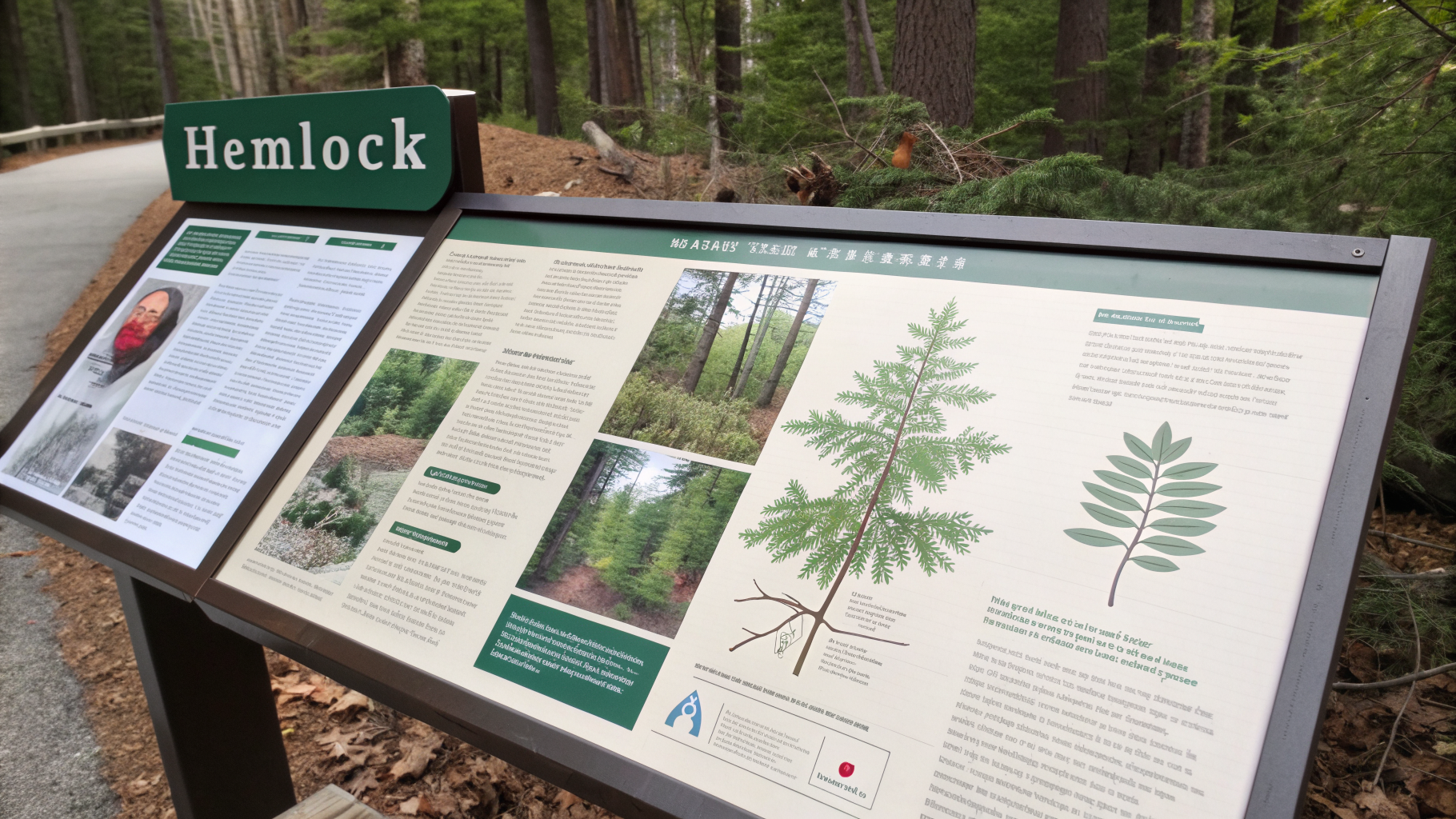
Hemlock (Conium maculatum) is a biennial herbaceous plant that can grow up to 2.5 meters tall. It is often mistaken for edible plants like wild carrot (Queen Anne’s lace), fennel, or parsley, which is a primary reason for accidental poisonings. The most reliable identifying feature of poison hemlock is the presence of distinctive purple or red blotches and spots on its stem. The stems are hollow, ridged, and hairless, a key characteristic that differentiates it from many look-alikes.
The leaves of hemlock are finely divided, fern-like, and have a distinct, unpleasant odor when crushed, often described as mousy or musty. The plant produces small, white, umbrella-shaped flower clusters (umbels) that bloom from late spring to summer. One critical detail is that the entire hemlock plant is poisonous, with the highest concentrations of toxic alkaloids occurring during dry, sunny seasons (Journal of Clinical and Translational Research via PubMed Central, 2025)[1]. For those interested in a comprehensive visual guide, the detailed hemlock identification guide provides side-by-side comparisons of similar species.
To avoid misidentification, always look for the purple-spotted stem and the strong, unpleasant odor. If you suspect a plant might be hemlock, do not touch it with bare hands, and certainly do not ingest any part of it. The plant is highly invasive in many regions, often found along roadsides, in ditches, and in disturbed areas. Understanding these physical traits is the first line of defense against accidental exposure to this toxic plant.
Toxicology of Hemlock: The Piperidine Alkaloids
The toxicity of hemlock is attributed to a group of chemical compounds known as piperidine alkaloids, with coniine being the most abundant and well-known. These alkaloids are neurotoxins that act on the nervous system. As researcher Alexandru Lupu from the Department of Clinical Toxicology explains, “Toxicity comes from piperidine alkaloids, which mimic the effect of nicotine on the autonomic nervous system, giving a clinical picture of nicotinic syndrome with an initial excitatory phase followed by a secondary inhibitory one” (Journal of Clinical and Translational Research via PubMed Central, 2025)[1].
This mechanism explains the progression of symptoms. Initially, the alkaloids stimulate nicotinic acetylcholine receptors, leading to over-excitation. This is followed by a depressive phase where the receptors become desensitized and blocked, leading to paralysis. The estimated toxic dose of coniine in humans is approximately 60 milligrams, while the fatal dose is estimated to be between 150 and 300 milligrams (Journal of Clinical and Translational Research via PubMed Central, 2025)[1]. These amounts can be present in just a few leaves or a small portion of the root, depending on the season and plant maturity.
All parts of the plant contain these alkaloids, making every component dangerous. The concentration of alkaloids varies, but no part of the hemlock plant is safe for consumption. The alkaloids are also stable and do not break down when dried, meaning that dried hemlock plants or hay contaminated with hemlock remain toxic. This is a significant concern for livestock, which can be poisoned by grazing on contaminated pastures. The potency of hemlock is such that it has been used historically for both medicinal and lethal purposes, most famously in the execution of Socrates.
Symptoms of Hemlock Poisoning: From Onset to Resolution
Recognizing the symptoms of hemlock poisoning is critical for timely medical intervention. Symptoms typically begin within 60 to 90 minutes after ingestion (Journal of Clinical and Translational Research via PubMed Central, 2025)[1], though in some cases, onset can be delayed for up to 4 hours. The initial symptoms often include a burning sensation in the mouth and throat, followed by excessive salivation, nausea, and vomiting. As the alkaloids affect the nervous system, the individual may experience muscle weakness, ataxia (loss of coordination), and tremors.
The progression of severe poisoning follows the biphasic pattern of nicotinic syndrome. The initial excitatory phase can manifest as restlessness, confusion, hypertension, and tachycardia. This rapidly transitions to the inhibitory phase, characterized by bradycardia, hypotension, respiratory depression, and ascending muscular paralysis. The most dangerous complication is respiratory failure, which occurs when the diaphragm and intercostal muscles become paralyzed. Without prompt intervention, this can be fatal. According to Lupu, “The mainstay of treatment of severe poison hemlock intoxication is hemodynamic optimization and early mechanical ventilation, as no specific antidote is currently available” (Journal of Clinical and Translational Research via PubMed Central, 2025)[1].
The duration of symptoms varies with the severity of exposure. In mild cases of hemlock poisoning, symptoms usually resolve within 1 to 2 hours. However, in severe cases, symptoms can persist for 24 to 72 hours or longer, requiring intensive care support. The prognosis is generally good with aggressive supportive care, but fatalities can occur, especially in cases of delayed treatment or large ingestions. Anyone who suspects they or someone else has ingested any part of a hemlock plant should seek emergency medical attention immediately.
Medical Management of Hemlock Intoxication
There is no specific antidote for hemlock poisoning. Treatment is entirely supportive and focuses on managing symptoms and preventing complications. The first step in a hospital setting is decontamination, if the patient presents early after ingestion. Activated charcoal may be administered to absorb any remaining alkaloids in the gastrointestinal tract, provided the patient has an intact airway and is not showing signs of significant neurological depression. Inducing vomiting is generally not recommended due to the risk of aspiration and rapid onset of seizures or coma.
The cornerstone of severe hemlock poisoning management is aggressive respiratory support. As respiratory failure from paralysis is the primary cause of death, early mechanical ventilation is often necessary. Patients are intubated and placed on a ventilator to ensure adequate oxygenation and ventilation while the body metabolizes and eliminates the alkaloids. Hemodynamic support is also critical. Intravenous fluids are administered to maintain blood pressure, and vasopressors may be required to treat refractory hypotension. Continuous monitoring of heart rate, blood pressure, oxygen saturation, and neurological status is essential in an intensive care unit setting.
Supportive care also includes managing seizures with benzodiazepines and treating complications such as aspiration pneumonia or rhabdomyolysis. The body’s own metabolic processes will eventually clear the alkaloids, and with proper supportive care, most patients who survive the initial acute phase will recover fully. The key to a good outcome is rapid transport to a medical facility and the immediate initiation of life-support measures. Public education on identifying and avoiding this dangerous plant remains the most effective prevention strategy. For more information on plant safety, visit the plant safety awareness resource on our site.
Important Questions About Hemlock
What should I do if I accidentally touch poison hemlock?
While the most dangerous route of exposure is ingestion, the alkaloids in hemlock can be absorbed through the skin, especially if there are cuts or abrasions. If you touch poison hemlock, wash the affected area thoroughly with soap and water as soon as possible. Remove any contaminated clothing and wash them separately. Monitor for any skin irritation, redness, or blistering. If you develop any systemic symptoms like muscle weakness, nausea, or difficulty breathing, seek medical attention immediately.
Can animals be poisoned by hemlock?
Yes, hemlock is highly toxic to most animals, including livestock (cattle, horses, sheep, goats) and pets (dogs, cats). Animals are often poisoned by grazing on the plant in pastures or by consuming hay contaminated with dried hemlock, which retains its toxicity. Symptoms in animals are similar to those in humans: salivation, muscle tremors, ataxia, respiratory distress, and collapse. If you suspect your animal has ingested hemlock, contact a veterinarian immediately. Prevention involves regularly inspecting pastures and hay fields for the plant and removing it.
Is it safe to remove poison hemlock from my property?
Removing poison hemlock is important for safety, but it must be done with extreme caution. Wear protective clothing, including long sleeves, long pants, waterproof gloves, and eye protection. Do not use a weed trimmer or string trimmer, as this can aerosolize plant particles. The best method for small infestations is to carefully dig up the plant, including the long taproot. For larger infestations, herbicides may be necessary. Place all plant material in heavy-duty plastic bags and dispose of it in the trash, not in compost or yard waste piles. Wash all tools and clothing thoroughly after handling.
How is hemlock poisoning different from water hemlock poisoning?
While both are highly toxic and belong to the same plant family (Apiaceae), they contain different toxins and cause different clinical effects. Poison hemlock (Conium maculatum) contains piperidine alkaloids (coniine) that cause a nicotinic syndrome with paralysis and respiratory failure. Water hemlock (Cicuta species) contains cicutoxin, which is a potent central nervous system stimulant that causes violent, tonic-clonic seizures. Water hemlock is often considered even more acutely toxic. Both plants require immediate emergency medical treatment, but the specific management may differ slightly, particularly regarding seizure control.
Hemlock vs. Similar Plants: A Comparison
Misidentification of hemlock is a leading cause of accidental poisoning. The plant closely resembles several common edible and ornamental species. Understanding the key differences is essential for foragers, gardeners, and anyone who spends time outdoors. The table below highlights the most common look-alikes and their distinguishing features.
| Plant | Stem Characteristics | Leaf/Foliage | Flower/Seed Head | Odor |
|---|---|---|---|---|
| Poison Hemlock | Hollow, ridged, with prominent purple/red blotches | Fern-like, finely divided | White, umbrella-shaped umbels | Strong, unpleasant, mousy |
| Queen Anne’s Lace (Wild Carrot) | Hairy, solid, no purple blotches; often has a single dark purple flower in the center of the umbel | Fern-like, but more finely cut and hairy | White, lacy umbel, often with a single dark purple floret in the center | Carrot-like when crushed |
| Fennel | Smooth, green, no blotches | Thread-like, feathery | Yellow, flat-topped umbels | Strong licorice or anise scent |
| Parsley (Curly or Italian) | Green, grooved, no blotches | Triangular, deeply lobed (curly) or flat (Italian) | Does not flower in first year; second year produces small greenish-yellow flowers | Mild, characteristic parsley scent |
Practical Safety Tips
Preventing exposure to hemlock is far better than treating poisoning. Here are actionable steps to stay safe.
- Learn to identify it: The most critical step is to memorize the key identifying features of poison hemlock, especially the purple-spotted stem. Use field guides or reputable online resources like the poisonous plant identification database to practice.
- Never forage without certainty: If you are foraging for wild edibles like wild carrots, parsley, or fennel, be absolutely certain of your identification. If there is any doubt, do not eat the plant. The consequences of a mistake can be fatal.
- Wear protective gear when handling: If you need to remove hemlock from your property, always wear gloves, long sleeves, and eye protection. Wash all tools and clothing immediately after contact.
- Educate children and pets: Teach children never to put any wild plants in their mouths. Keep pets on a leash when walking in areas where hemlock may grow, and prevent them from chewing on unknown plants.
- Monitor livestock pastures: Regularly inspect pastures and hay fields for the presence of hemlock. Remove plants promptly and do not feed hay that may be contaminated.
Final Thoughts on Hemlock
Hemlock is a potent and dangerous plant that demands respect and caution. Its ability to mimic common edible species makes it a significant public health concern. The key to safety lies in accurate identification, avoidance, and education. If poisoning does occur, the prognosis depends entirely on the speed of medical intervention, specifically respiratory support. We encourage you to explore the comprehensive guides available on aitrainingcom to further your understanding of hemlock and other hazardous plants in your environment. Share this knowledge to help keep your community safe.
Useful Resources
- Acute intoxication with poison hemlock (Conium maculatum). Journal of Clinical and Translational Research via PubMed Central.
https://pmc.ncbi.nlm.nih.gov/articles/PMC12005235/ - Poison hemlock profile. USDA Plants Database.
https://plants.usda.gov/home/plantProfile?symbol=COMA2