
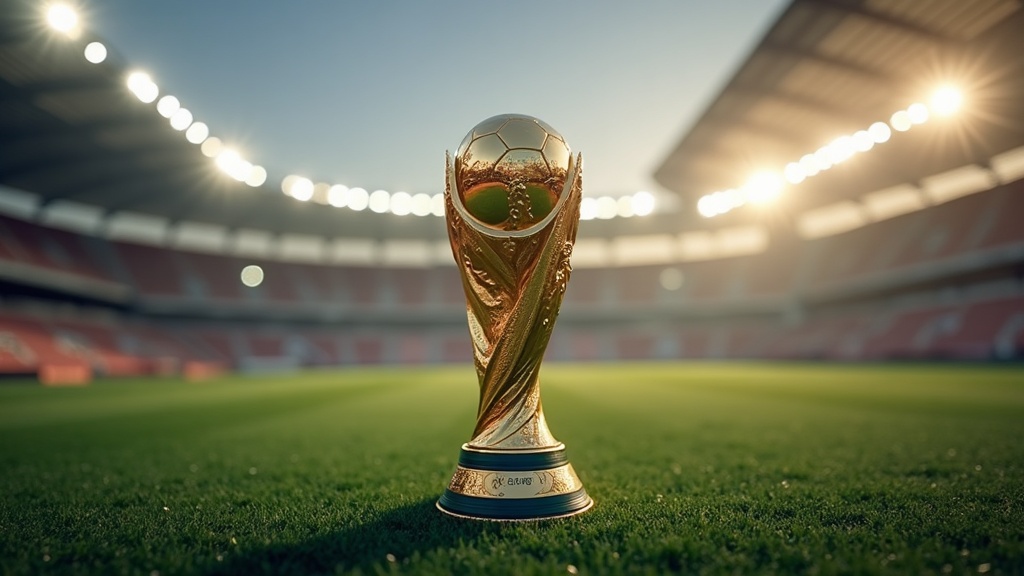
Clubs World Cup: The New Era of Global Club Football
Clubs World Cup: The New Era of Global Club Football
The expanded clubs world cup format, officially known as the FIFA Club World Cup, has transformed international club football by introducing a 32-team tournament that brings together champions from all six confederations. This new structure, first staged in the United States in 2025, marks a significant shift from the previous seven-team format, creating a month-long spectacle that determines the undisputed world champion among professional clubs. The competition now rivals major international tournaments in scale, featuring group stages and knockout rounds that showcase the best teams from Europe, South America, Africa, Asia, North America, and Oceania. Understanding this revamped competition is essential for any football fan looking to follow the global game’s most ambitious club event.
Table of Contents
- The New 32-Team Format and Qualification
- A Brief History of the Competition
- Global Impact and Club Significance
- Challenges and Controversies
- Frequently Asked Questions
- Comparison: Old Format vs New Format
- Practical Tips for Following the Tournament
- Final Thoughts
- The 2025 edition featured 32 teams from six confederations, a major expansion from the previous seven-team format (FIFA / Wikipedia summary of competition format, 2025)[1].
- European clubs received 12 of the 32 slots, while South America received 6 (FIFA / Wikipedia summary of competition format, 2025)[1].
- The tournament lasted 30 days, running from 14 June to 13 July 2025 in the United States (Encyclopaedia Britannica, 2025)[2].
- Chelsea won the 2025 final 3–0 against Paris Saint-Germain, becoming two-time world champions (Wikipedia, 2025)[3].
The New 32-Team Format and Qualification
The clubs world cup adopted a completely new format for its 2025 edition, moving from a compact seven-team knockout tournament to a full-scale 32-team competition. The tournament divides the 32 qualified clubs into eight groups of four teams each (Wikipedia, 2025)[1]. Each group plays a round-robin stage, with the top two teams from each group advancing to the round of 16. From there, the competition follows a standard single-elimination knockout format through to the final.
Qualification for the expanded tournament is based on continental performance. The allocation of slots reflects the relative strength of each confederation: Europe’s UEFA receives 12 slots, South America’s CONMEBOL receives 6, while Africa’s CAF, Asia’s AFC, and North America’s CONCACAF each receive 4 slots. Oceania’s OFC and the host nation each receive 1 slot (FIFA / Wikipedia summary of competition format, 2025)[1]. This distribution ensures that the tournament includes the strongest clubs from each region while maintaining competitive balance.
Clubs qualify primarily by winning their continental championship, such as the UEFA Champions League for European teams or the Copa Libertadores for South American teams. Additional slots are filled by the highest-ranked non-champions based on a four-year ranking period. This system rewards consistent performance at the highest level of club football, ensuring that the world’s best teams earn their place in the tournament.
A Brief History of the Competition
The FIFA Club World Cup was first contested in 2000, making it more than two decades old as of the expanded 2025 edition (Encyclopaedia Britannica, 2025)[2]. The 2025 edition was the 21st edition of the competition (Wikipedia, 2025)[3]. For most of its history, the tournament featured only seven teams: the champions of each of the six confederations plus the host nation’s league winner. This format was widely criticized for being too short and lacking the prestige of the UEFA Champions League or Copa Libertadores.
The decision to expand the tournament came in 2023, driven by FIFA President Gianni Infantino’s vision of creating a true global club championship. Infantino stated that “the new FIFA Club World Cup will be a true World Cup of clubs, bringing together 32 of the best teams from all confederations in a tournament that will be a milestone for the global game” (FIFA, 2025)[4]. The United States was selected as the host nation for the inaugural expanded edition, with Infantino noting that “staging the Club World Cup in the United States allows us to tap into a mature sports and entertainment market and provides clubs and fans with world-class infrastructure and a unique platform” (FIFA, 2024)[5].
The 2025 edition marked a turning point for the competition. Chelsea defeated Paris Saint-Germain 3–0 in the final, with the English club conceding zero goals in the championship match (Wikipedia, 2025)[3]. This victory made Chelsea two-time world champions, having previously won the tournament in 2021 under the old format (Wikipedia, 2025)[3]. The expanded format generated significantly more matches, media coverage, and global interest than any previous edition.
Global Impact and Club Significance
The clubs world cup has fundamentally changed how clubs and fans view global competition. Former Liverpool manager Jurgen Klopp captured the sentiment well, stating: “When you win the Champions League, the chance to become world champions at the Club World Cup is something special – it is the only moment you can really say you are the best team in the world” (BBC Sport, 2023)[6]. Real Madrid coach Carlo Ancelotti echoed this view, calling the tournament “an important competition because it gives you the chance to put your club and your continent at the top of the world game” (FIFA, 2022)[7].
The expanded format has increased the tournament’s commercial appeal and global reach. Hosting the event in the United States provided access to a massive sports market with world-class stadiums and infrastructure. The 30-day duration allowed for proper group stages and rest periods between matches, improving the quality of play compared to the previous condensed schedule. For clubs from smaller confederations, participation offers unprecedented exposure and the chance to compete against European and South American giants on a level playing field.
The financial implications are substantial. Clubs now receive significant prize money and broadcast revenue from participating in the expanded tournament. This income helps smaller clubs invest in infrastructure, youth development, and player recruitment. For European clubs, the clubs world cup adds another major trophy to target alongside domestic leagues and continental championships, increasing the prestige of winning multiple competitions in a single season.
Challenges and Controversies
The expanded clubs world cup has not been without its critics. UEFA President Aleksander Čeferin raised concerns about player welfare, stating: “Clubs playing in the new FIFA Club World Cup will need careful calendar management, because we cannot overload players, but there is clearly huge global interest in seeing the best teams from each continent compete” (Reuters, 2024)[8]. The tournament adds to an already congested football calendar, with top players potentially facing 60–70 matches per season when combining domestic, continental, and international commitments.
Another challenge is competitive balance. While the allocation of 12 slots to European clubs reflects the continent’s dominance, critics argue that this creates a tournament where European teams are heavily favored to win. The gap in resources and quality between European giants and clubs from smaller confederations remains significant, potentially leading to lopsided matches in the group stage. FIFA has attempted to address this by ensuring that each group includes a mix of confederations, but the disparity in funding and player quality is difficult to overcome.
Schedule conflicts with domestic leagues also pose problems. The tournament takes place in June and July, which overlaps with the off-season for most European leagues and the mid-season for some Southern Hemisphere competitions. This timing forces clubs to manage player rest periods and preseason preparation carefully. Some domestic leagues have expressed concern about losing their star players for extended periods during the summer, potentially affecting the quality of their own competitions. The fixture congestion issue remains a topic of ongoing discussion between FIFA, confederations, and domestic leagues.
Important Questions About Clubs World Cup
How do clubs qualify for the expanded clubs world cup?
Clubs qualify primarily by winning their continental championship, such as the UEFA Champions League, Copa Libertadores, CAF Champions League, AFC Champions League, CONCACAF Champions Cup, or OFC Champions League. Additional slots are filled by the highest-ranked non-champions based on a four-year ranking period. The allocation gives Europe 12 slots, South America 6, Africa 4, Asia 4, CONCACAF 4, Oceania 1, and the host nation 1. This system ensures that both continental champions and consistently strong performers earn their place in the tournament.
What is the difference between the old and new clubs world cup formats?
The old format featured only seven teams: the six continental champions plus the host nation’s champion. It was a short knockout tournament lasting about 10 days. The new format expanded to 32 teams divided into eight groups of four, followed by a round of 16, quarterfinals, semifinals, and final. The tournament now lasts 30 days, includes significantly more matches, and provides a proper group stage that allows teams multiple games. The new format also offers better rest periods between matches and generates substantially more revenue and global interest.
When and where will future clubs world cup tournaments be held?
The inaugural 32-team edition was held in the United States from 14 June to 13 July 2025. FIFA has not yet announced host nations for subsequent editions, but the tournament is expected to rotate among confederations similar to the FIFA World Cup. The United States was chosen for its world-class infrastructure and mature sports market. Future hosts will need to provide multiple stadiums capable of hosting matches over a 30-day period. The tournament is scheduled to take place every four years, aligning with the international football calendar.
How does the clubs world cup affect player workload and club schedules?
The expanded tournament adds significant matches to an already busy calendar. UEFA President Aleksander Čeferin has warned that “clubs playing in the new FIFA Club World Cup will need careful calendar management, because we cannot overload players” (Reuters, 2024)[8]. Top players competing in the tournament may play up to seven additional matches in a 30-day period, impacting their rest and recovery. Clubs must manage squad rotation carefully and adjust preseason preparation. The tournament also overlaps with the summer transfer window, potentially complicating player movements.
Comparison: Old Format vs New Format
The transition from the old seven-team format to the new 32-team structure represents the most significant change in the history of the clubs world cup. The following comparison highlights the key differences between the two formats that have shaped the competition over its 21 editions.
| Aspect | Old Format (2000–2023) | New Format (2025–) |
|---|---|---|
| Number of teams | 7 | 32 |
| Tournament duration | ~10 days | 30 days |
| Group stage | None (direct knockout) | 8 groups of 4 teams |
| Total matches | 7–8 | 64 |
| Qualification basis | Continental champions only | Champions + ranked teams |
Practical Tips for Following the Tournament
To fully enjoy the clubs world cup, start by familiarizing yourself with the group stage draw and team rosters. The tournament features 32 clubs from diverse football cultures, so researching each team’s playing style and key players enhances the viewing experience. Many matches are available through official broadcasters and streaming platforms, with comprehensive coverage on FIFA’s digital channels.
Pay attention to the knockout stage bracket, as the single-elimination format creates high-stakes matches from the round of 16 onward. The tournament’s structure means that every match matters, with no second chances after the group stage. Follow match schedules carefully, as the 30-day tournament includes multiple matches per day during the group stage, offering non-stop football action across different time zones.
For deeper engagement, consider joining fan communities and discussion forums dedicated to global club football. These platforms provide analysis, match predictions, and real-time updates. You can also explore comprehensive tournament previews and historical data on aitrainingcom for detailed breakdowns of team performances and tactical analysis. Understanding the qualification pathways and continental rankings adds another layer of appreciation for how teams earn their place in this elite competition.
Final Thoughts on Clubs World Cup
The clubs world cup has evolved from a modest seven-team tournament into a global football spectacle that truly determines the world’s best club. The expanded 32-team format, debuted in 2025, brings together champions and top-ranked teams from every continent in a month-long celebration of club football. While challenges around player workload and competitive balance remain, the tournament’s potential to grow the global game is undeniable. For fans, the opportunity to see their favorite clubs compete against unfamiliar opponents from other continents adds a new dimension to football fandom. To stay updated on future editions and in-depth tournament coverage, explore more resources on aitrainingcom.
Useful Resources
- 2025 FIFA Club World Cup. Wikipedia.
https://en.wikipedia.org/wiki/2025_FIFA_Club_World_Cup - FIFA Club World Cup. Encyclopaedia Britannica.
https://www.britannica.com/topic/FIFA-Club-World-Cup - FIFA Club World Cup. Wikipedia.
https://en.wikipedia.org/wiki/FIFA_Club_World_Cup - FIFA Council approves key decisions on international match calendars and competitions. FIFA.
https://www.fifa.com/en/legal/football-regulatory/fifa-council/media-releases/fifa-council-approves-key-decisions-on-international-match-calendars-and-competitions - FIFA appoints the United States as host of the inaugural 32-team FIFA Club World Cup. FIFA.
https://www.fifa.com/en/tournaments/mens/clubworldcup/morocco2022/media-releases/fifa-appoints-the-united-states-as-host-of-the-inaugural-32-team-fifa-club-world-cup - Klopp on Club World Cup significance for European champions. BBC Sport.
https://www.bbc.co.uk/sport/football/50874293 - Ancelotti: It’s a privilege to fight for the title of world champions. FIFA.
https://www.fifa.com/fifaplus/en/articles/carlo-ancelotti-real-madrid-interview-fifa-club-world-cup-uae-2021 - Čeferin: We must protect players as calendars expand. Reuters.
https://www.reuters.com/world/soccer/uefas-ceferin-warns-against-overloading-players-with-new-club-competitions-2024-03-04/
For more about Hello world, see Hello World.